
Rice importer procurement
Buying Basmati Rice from India: Specifications, Samples and Retail Packs
Build a buying brief that makes competing rice quotations comparable, from the actual grain and cooking sample to the retail pack, supplying mill and delivery terms.
Start with the product, application and sales channel
An importer buying consumer packs and a catering distributor buying rice for a kitchen need different briefs. State your destination, intended use, sales channel and preferred pack before asking for a price. Identify whether you want a listed Rahis line or a separate private-label proposal.
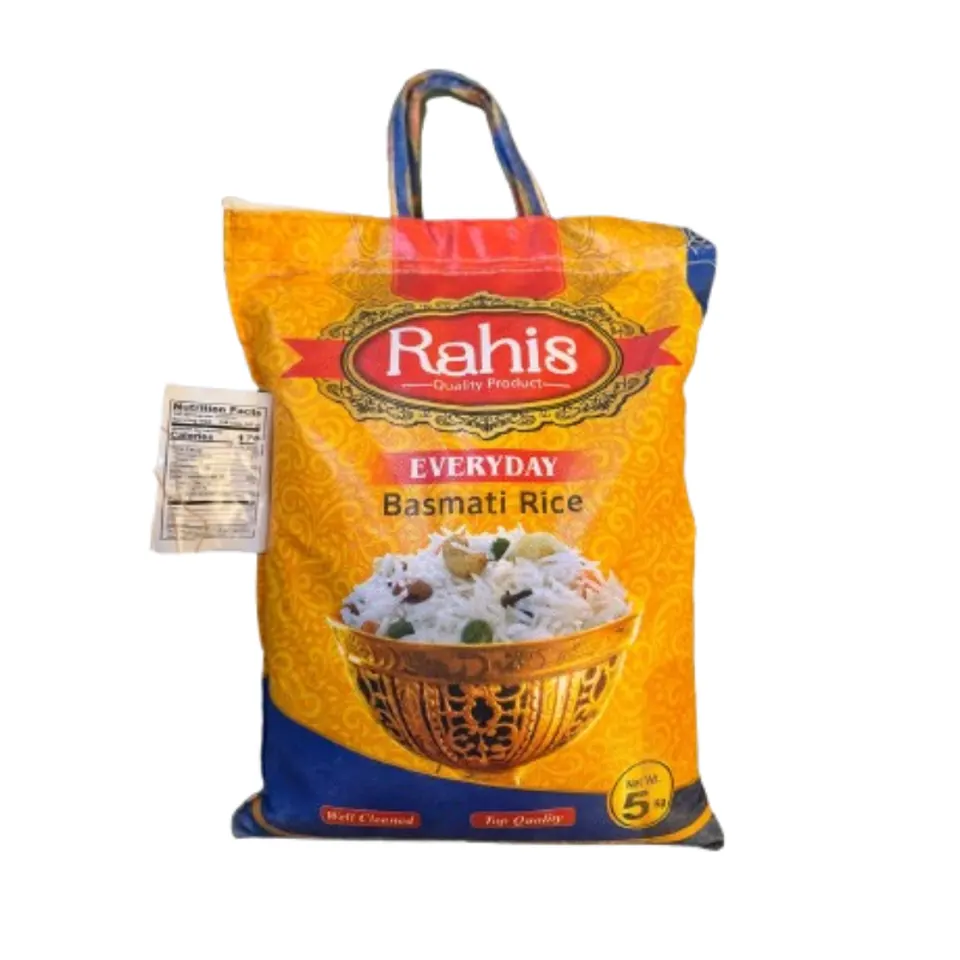
Rahis is our company-owned brand, manufactured through different mills. Our catalogue lists Rahis Basmati Rice 5kg and Rahis Extreme, Premium and Super Basmati Rice 1kg. These are product-line names. They do not establish a cultivar, ageing period, treatment, current stock or an approved mill for your destination.
Separate variety from milling and treatment
FSSAI’s cereals compendium distinguishes brown, milled, parboiled brown and milled parboiled basmati. Identify the actual type and variety in the proposed specification. A trade description alone does not explain the complete processing history.
Ask the supplier to explain any raw, steam or sella description used in the quotation. If ageing is proposed, request the relevant dates and supporting records. Do not infer age or cultivar from “Premium”, “Super” or an image of a cooked dish.
References: FSSAI: cereals and cereal products compendium, section 2.4.6(26)
Make grain quality measurable
The FSSAI basmati section addresses grain dimensions, cooking expansion, moisture, broken material and other quality factors. It is a regulatory reference, not the specification of a Rahis pack. The appropriate requirements must be checked for the selected product and market.
Create an acceptance sheet with one row per characteristic: what is measured, the agreed limit or range, the test method, the sampling basis and the document that records the result. Leave a field open for agreement rather than copying an unverified number from another seller.
- Identity: proposed variety, origin, treatment, lot reference and evidence for any ageing claim.
- Physical quality: grain dimensions, broken-grain percentage, moisture, visible defects and foreign material.
- Cooking assessment: agreed preparation method, aroma, texture, grain separation and expansion.
- Verification: representative sample, applicable laboratory scope and a lot-linked certificate of analysis when required.
References: FSSAI: cereals and cereal products compendium, section 2.4.6(26)
Compare samples under the same cooking conditions
Agree the sample reference before trialling it. Record the rice weight, washing or soaking procedure, water quantity, cooking equipment, cooking time and resting period. Compare candidates under the same conditions, then assess them in the dish or production process you actually use.
Keep the accepted sample and signed specification linked. Agree how later lots will be sampled, which differences trigger investigation and who approves a replacement. A successful small sample does not remove the need to check the delivered lot.
Turn the retail pack into a distribution specification
For the listed 1kg and 5kg packs, confirm the current artwork, net content, packaging material, seal, lot coding, case count and pallet plan. Ask for the actual storage instructions and shelf-life evidence. Confirm the remaining shelf life required on arrival.
For private label or another bag size, provide the proposed quantity, material, design, label language and sales channel. Feasibility, artwork approval, testing, cost and timing need separate agreement. An enquiry option is not confirmation that an unlisted pack is ready to ship.
- Consumer unit: approved name, pack material, closure, coding and importer-required artwork.
- Outer case: units per case, dimensions, gross weight, marks and handling requirements.
- Delivery plan: pallet configuration, loading quantity and protection against moisture, pests and damage.
Check the selected supply arrangement for the destination
APEDA lists exporter registration, phytosanitary documentation and contract registration among rice-export requirements. Its basmati notice describes registration before shipment. Recheck the applicable documents for the actual product, dispatch date and destination.
For Saudi Arabia, check the selected supplying establishment and required SFDA-related evidence. For the USA or China, APEDA identifies registered rice-mill or processing-unit requirements. A brand name is not proof that a particular facility qualifies.
For European destinations, check whether EIC/EIA inspection certification applies. For every destination, have the importer confirm current import, testing, residue and labelling requirements. APEDA’s overview is indicative; it does not approve a shipment.
References: APEDA: requirements for export of rice; APEDA: online registration of basmati export contracts
Request a quotation that can be compared fairly
Give every supplier the same product, sample, pack, quantity, destination and timing brief. Ask the quotation to identify its currency, validity, delivery basis, named place or port, inclusions and exclusions. Compare the total proposed supply rather than a headline price with an unclear unit.
Confirm who arranges testing, inspection, documentation and transport, and how specification changes will be approved. Rice minimum order, loading weight, availability and lead time remain matters for the actual quotation; the one-container minimum confirmed for grapes or mango pulp is not a rice minimum.
Procurement checklist
Your basmati rice enquiry brief
- Selected Rahis line or separate private-label request; destination and intended sales channel.
- Variety, treatment, origin and evidence for any proposed ageing claim.
- Agreed grain, broken-grain, moisture, cooking and sample-acceptance criteria.
- Consumer pack, case count, label language, lot coding and pallet requirements.
- Quantity and unit, arrival point, shipment window and preferred quotation basis.
- Selected mill and destination-specific documentation to review before commitment.
Common questions
Buyer FAQ
Do Rahis line names prove a variety or quality grade?
No. Extreme, Premium and Super identify listed lines. Request the actual datasheet, sample and agreed acceptance criteria for the product proposed.
Are a sample and a certificate of analysis interchangeable?
They serve different purposes. A sample supports assessment of the proposed product; a relevant test report records specified measurements for the identified sample or lot. Agree both the review process and the evidence needed for shipment.
Can I enquire about bulk bags or private-label rice?
Yes. Describe the required pack, quantity, brand, artwork and destination. The catalogue’s confirmed retail presentations are 1kg and 5kg; other proposals require feasibility and commercial confirmation.
Does a rice guide confirm worldwide shipment eligibility?
No. Current origin, product, supplying establishment, importer and shipment requirements must be checked for the actual order. General Indian export activity does not approve a particular Rahis shipment.
Does preparing an enquiry mean it has been sent?
No. The structured contact form prepares a draft. Review it and send it through your own email application or WhatsApp. A draft or contact click does not establish that the export team received an enquiry.
Sources and verification
Consult the official source for current requirements. Shipment eligibility and product specifications must be confirmed for the actual origin, destination and supply arrangement.
- FSSAI: cereals and cereal products compendium, section 2.4.6(26)
Version 4, 7 May 2025; basmati pages 26–29 reviewed 14 November 2026. General identity and quality reference; no numerical limits adopted as company specifications. Original notifications prevail over the compendium.
- APEDA: requirements for export of rice
Reviewed 14 November 2026 for general and destination-specific checks. Indicative overview; confirm current destination rules for the proposed supply.
- APEDA: online registration of basmati export contracts
Trade notice dated 1 October 2025, reviewed 14 November 2026. Procedural reference, not a registration or shipment approval for a buyer’s order.