
Fresh grape sourcing guide
Indian Seedless Grapes: Season, Grades and Export Packing
How importers can plan Indian seedless grape varieties, quality specifications, export cartons and temperature-controlled delivery.
Use the grape buying-brief builder or download a blank template
Published by Jayshree Industries — Agro & FMCG Exports
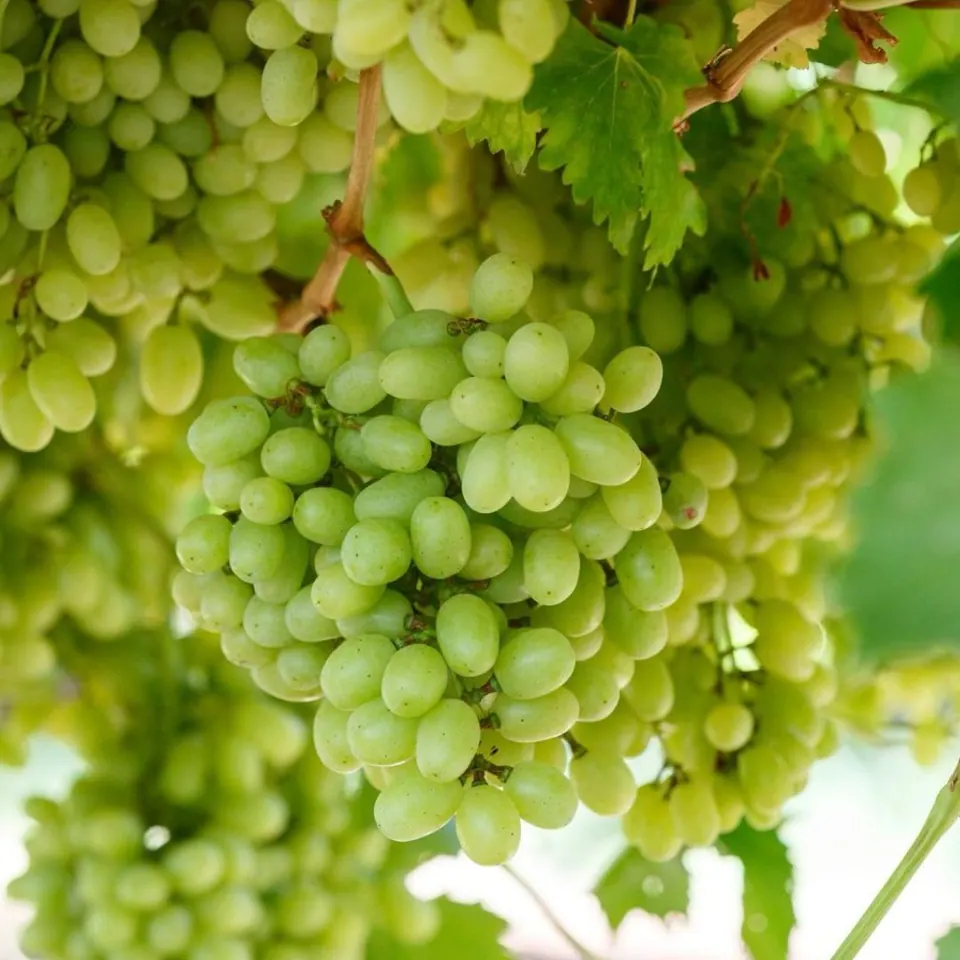
Plan by variety and crop window
Indian grape sourcing is season-led. Thompson Seedless and Super Sonaka serve white seedless programs, while Sharad and Flame support dark and red grape requirements. Importers should align variety, shipment window and forecast volume before confirming pack details.
Crop timing and fruit condition can vary by growing area and season. A useful enquiry states the destination, intended arrival window, weekly requirement and acceptable variety alternatives.
For a broad planning reference, APEDA’s February 2026 grape dashboard describes India’s peak harvest season as December to April. This is a national crop-calendar reference, not a forecast for every region or the 2026–27 crop, and not Jayshree’s confirmed supply window. Agree the actual variety, harvest or packing week, transit plan and required arrival week separately.
References: APEDA: February 2026 grape dashboard and crop calendar
Define the commercial grade clearly
A grape specification should cover berry size, bunch weight, colour, brix, firmness, defects, residue requirements and arrival expectations. Photographs are helpful, but they do not replace measurable acceptance criteria.
- Variety and origin
- Berry diameter and bunch-weight range
- Brix, colour and firmness expectations
- Permitted defects and residue protocol
- Arrival condition and inspection method
Match cartons and presentation to the channel
Jayshree’s minimum order for table grapes is 1 container. Agree the container size, variety, carton and pallet configuration, net load, shipment window and destination for the quotation; one container does not specify a fixed weight or carton count.
Wholesale, retail and supermarket-supply programs can require different inner packs, carton weights, labels and ventilation. The carton, liner, punnet or carry-bag format should be agreed with the pallet pattern and destination handling system.
Private-label artwork, traceability codes and destination-language requirements should be approved before packing begins.
Protect quality through reefer movement
Pre-cooling, loading discipline, container settings, airflow and handover timing all influence arrival condition. The route plan should identify the required temperature regime, transit duration, loading sequence and responsibility for monitoring.
Agree a written arrival inspection plan before dispatch: who inspects the consignment, which lots are sampled, how photographs and temperature records are retained, and how departures from the specification are reported. A generic shelf-life figure or transport setting is not a guarantee for a particular variety, pack and journey.
Check traceability and destination requirements separately
APEDA describes HortiNet and GrapeNet as systems supporting traceability, testing and certification in India's horticultural export supply chain. Buyers should request the relevant lot, origin, packhouse and test documentation for their actual shipment, and verify which destination procedure applies.
A business registration, a packhouse listing and a phytosanitary certificate serve different purposes. None should be presented as blanket approval to ship every grape variety to every country. Ask who holds each certificate, which product and facility it covers, and whether it remains current.
References: APEDA: HortiNet and GrapeNet traceability resources
New Zealand buyers: approved bilateral arrangement required
Review dated 22 October 2026: New Zealand Customs confirms the India–New Zealand Free Trade Agreement entered into force on 20 October 2026. Its information for New Zealand importers still requires compliance with customs, biosecurity and product regulatory requirements. FTA entry into force is not confirmation that the Indian fresh-grape biosecurity export plan is signed or that a supplying chain is eligible. MPI reconfirmed the non-operational India pathway in a direct reply dated 17 November 2026, summarised below. No first-shipment date has been confirmed.
Status confirmed by MPI on 17 November 2026: MPI Plant Imports advised our company that the India-specific fresh table grape export plan was still not finalised and the pathway was not operational. Indian-origin fresh table grapes cannot currently be imported through that pathway on the basis of this advice. MPI said it would notify our company when the pathway becomes operational. The publication of an import health standard or inclusion in a consultation is not, by itself, an operational shipping route. Buyers should confirm any subsequent change with MPI before making shipment commitments.
Final standard reviewed 17 November 2026: section 1.4 of MPI’s 16 March 2026 grape standard requires an approved bilateral arrangement with the exporting country’s national plant protection organisation before trade can begin. Its guidance points to PIER for currently approved countries. Bilateral arrangements are government-to-government documents that are not publicly available; a summary can be requested from MPI. Ask the authorities for current India-specific approval and the applicable requirements before booking a shipment.
Our 17 November 2026 PIER search with India and fresh fruit and vegetables selected returned no matching grape result. This search observation does not by itself establish a formal prohibition or replace direct authority confirmation. MPI’s 6 November transition notice extends the use of previous requirements to 16 March 2027 for six named existing markets; India is not among those markets. That extension does not establish Indian access.
Even after the national route becomes operational, access is not proof that an individual supplier, packhouse or consignment qualifies. Confirm the supplying chain, lot evidence and logistics before agreeing variety, pack, quantity, crop and arrival windows. This guide does not certify Jayshree or a supplying facility for New Zealand. Recheck current authority advice before any commitment.
References: MPI: grape-standard publication and transition updates; MPI: commodity and origin requirements for New Zealand imports; MPI: final fresh-table-grape standard link supplied by Plant Imports; New Zealand Customs: India FTA and import requirements
Procurement checklist
Information to include in a grape enquiry
- Target variety and acceptable alternatives
- Destination, shipment window and expected frequency
- Berry size, bunch weight, brix and defect specification
- Carton weight, inner pack and label requirements
- Pallet pattern and container preference
- Residue protocol, tests and destination documents
- Forecast volume and delivery programme
- Arrival inspection and claim procedure
- Supplying packhouse, lot traceability and current route eligibility evidence
Common questions
Buyer FAQ
When is the Indian seedless grape export season?
APEDA’s February 2026 dashboard describes a broad December-to-April peak harvest season for India. Actual export availability depends on variety, growing area, crop condition, packing and destination. Use the calendar for planning, then ask for a confirmed supply week and work back from your required arrival date. It is not a forecast or stock promise for the 2026–27 crop.
Which Indian seedless grape varieties can be sourced?
Programs can include Thompson Seedless, Super Sonaka, Sharad and Flame grapes, subject to crop timing, grade, volume and destination requirements.
Can grape cartons and labels be customised?
Carton weight, inner presentation, labels, traceability marks and pallet configuration can be reviewed against the buyer's channel and destination requirements.
What should a New Zealand importer confirm before ordering Indian grapes?
First confirm that the India-specific export plan has been finalised and the route is operational. MPI reconfirmed to our company on 17 November 2026 that the plan was still not finalised and the pathway was not operational. Verify any later opening with MPI, then review the applicable requirements summary, actual supplying chain, lot documents, packing and logistics. This is upcoming-route planning, not a current shipment promise or supplier approval.
Sources and verification
Consult the official source for current requirements. Shipment eligibility and product specifications must be confirmed for the actual origin, destination and supply arrangement.
- APEDA: February 2026 grape dashboard and crop calendar
Reviewed 28 November 2026, page 3. National harvest-calendar background only; not a 2026–27 crop forecast, Jayshree availability, export schedule or destination-access approval.
- APEDA: HortiNet and GrapeNet traceability resources
Checked 13 October 2026. Use the destination-specific procedures and current documents; this link does not establish Jayshree's registration or facility approval.
- MPI: commodity and origin requirements for New Zealand imports
Checked 13 October 2026. Select the exact commodity and origin and confirm the current linked requirements with the importer and competent authorities.
- MPI: final fresh-table-grape standard link supplied by Plant Imports
Final standard dated 16 March 2026, retrieved and reviewed 17 November 2026. Section 1.4 covers country approval and bilateral arrangements; Part 3 covers inspection and certification. The standard is not India-specific operational approval or evidence that Jayshree or a supplying facility qualifies.
- New Zealand Customs: India FTA and import requirements
Reviewed 22 October 2026. FTA commencement and New Zealand-importer regulatory caveat only; no grape tariff rate, origin entitlement, export-plan signature or consignment approval inferred.
- MPI: grape-standard publication and transition updates
Reviewed 17 November 2026. The 6 November notice extends transition for the named existing markets to 16 March 2027; it does not establish a new Indian pathway.
- UC Davis: grape postharvest background
Further technical reading, not an endorsement. The fact sheet's cultivar- and location-specific recommendations must not be treated as Jayshree specifications or route guarantees.